
UI/UX Design Service: User-Centered Design for Web Apps, Mobile Apps, and Digital Products
Wireframing, Prototyping, Figma Design, Usability Testing, and Design Systems for Products That People Actually Want to Use
Most digital products fail not because the technology does not work, but because people cannot figure out how to use them. Navigation that requires guessing, forms that frustrate rather than guide, information architecture that buries what users need, and interfaces that work well on the device the developer tested but break on the device the user actually has — these are not aesthetic problems, they are business problems that cost you users, conversions, and revenue. At A2Z Dev Center, our UI/UX design service exists to solve those problems before the development team writes a line of production code.
Our UX design agency approach starts with understanding users before we draw a single screen. We conduct user research, map the key flows your target users need to complete, identify the decision points where designs typically fail, and build wireframes and interactive prototypes that test the structure and logic of the interface before it is dressed in final visual design. By the time we produce high-fidelity Figma designs for developer handoff, we have already validated that the flows work, the information architecture is sensible, and the interaction patterns match how real users think about the task the product is asking them to complete.
Our UI/UX design team works across every type of digital product a business needs designed: web applications and SaaS platforms, iOS and Android mobile apps, marketing websites and landing pages, e-commerce experiences, HubSpot CMS templates, and enterprise internal tools. Because our design team works alongside our development teams for web app development, mobile app development, and WordPress development, design and development stay aligned from concept through delivery rather than being handed off between separate vendors.
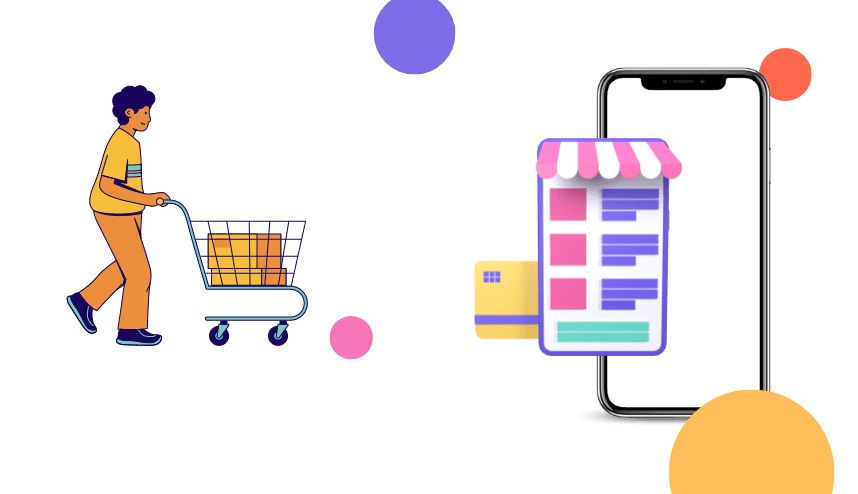
Our UI/UX Design Services
Our professional UI/UX design services cover every stage of the product design process and every type of digital product a business needs designed.
UX Research and User Analysis
Good design decisions require real evidence about real users. Before we build wireframes or visual designs, we conduct the user research that tells us what your target users are actually trying to accomplish, where existing designs are creating friction, and what mental models they bring to your product category. Research activities we conduct include user interviews, contextual observation, competitive UX analysis, heuristic evaluation of existing interfaces, and review of quantitative behavior data from tools like Hotjar and Google Analytics where available. Every design recommendation we make is traceable back to something we learned about real user behavior rather than something we assumed would look or feel right.
Information Architecture and User Flow Mapping
Information architecture is the structural layer of a digital product: how content and functionality are organized, how users navigate between sections, how the hierarchy of information matches the hierarchy of user priorities. Before any screen-level design begins, we map the complete user flows for the key tasks your product needs to support. We identify where flows branch, where error states need handling, and where drop-offs are likely to occur. This structural work happens on paper and in simple low-fidelity diagrams before any visual design is produced, because structural changes at this stage are fast and inexpensive while structural changes after visual design is complete are expensive and time-consuming.
Wireframing and Interactive Prototyping
Wireframes are the structural blueprints of each screen: layout, content hierarchy, interactive elements, and navigation patterns without final visual styling. We produce wireframes that communicate structure clearly enough for stakeholder review and development estimation, then convert approved wireframes into interactive prototypes using Figma that simulate the actual flow of the product so users can be tested on real interactions before development begins. Prototyping is particularly important for complex web applications and SaaS products where the interaction patterns are non-trivial and user testing before development is significantly cheaper than discovering usability problems after the product is built.
Web and SaaS Product UI Design
We produce high-fidelity UI designs for web applications, SaaS platforms, and marketing websites in Figma, including desktop, tablet, and mobile responsive layouts. Every design includes a comprehensive component library covering all UI states: default, hover, active, focus, error, disabled, and empty. We build Figma designs with developer handoff in mind: properly named layers, organized components, design tokens for colours and typography, and spacing that translates directly to CSS values. For SaaS products and complex web applications, we work closely alongside our web app development team so the design and the implementation stay aligned throughout the build.
Mobile App UI Design
Designing for iOS and Android requires following each platform’s human interface guidelines and design system conventions so the app feels native to its platform, not like a web interface crammed into a mobile screen. We design iOS apps following Apple’s Human Interface Guidelines and Android apps following Google’s Material Design system, adapting those conventions to your brand identity rather than ignoring them in favor of a one-size-fits-all design approach. Our mobile UI design work covers the full screen inventory: onboarding flows, core feature screens, navigation patterns, form interactions, empty states, error handling, and all the edge cases that separate a polished app from one that feels unfinished. This work connects directly to our mobile app development service.
Design Systems and Component Libraries
A design system is the foundation that makes large digital products consistent, scalable, and maintainable over time. It is a shared library of reusable components, their documented design rules, the tokens that govern colour, typography, spacing, and shadow, and the guidelines that describe when and how each component should be used. Without a design system, products accumulate visual inconsistency as multiple designers and developers add new screens over time. We build design systems in Figma that product teams can use as a single source of truth, reducing design production time for new features and ensuring that every screen across the product shares the same visual language. For businesses using HubSpot CMS, our design system work aligns directly with the HubSpot module and template system our developers build.
Digital Product Redesign
Many businesses come to us with an existing product that users are struggling with: low completion rates on key flows, high bounce rates on important pages, support tickets about navigation and usability, or simply visual design that no longer reflects the brand or the product’s maturity. We conduct a structured UX audit of existing products, combining heuristic evaluation, user testing where the budget allows, and analytics review to identify the specific design problems worth solving. We then prioritize redesign work around the changes most likely to move the metrics that matter to the business, rather than designing a complete visual overhaul when targeted functional improvements would produce better results faster.
UI/UX Design Consulting
Some businesses have internal design or product teams who need an experienced external perspective on a specific design challenge rather than full-service design work. We provide design consulting for product strategy decisions, design system planning, usability review, design process setup, and team mentoring. Consulting engagements can range from a single structured review session producing a written assessment and recommendations, to an ongoing advisory relationship where our designers work alongside your internal team as a sounding board and quality check throughout a product development cycle.
How Our UI/UX Design Process Works
Our UI/UX design process is structured to reduce the risk of building the wrong thing, keep stakeholders informed at every stage, and produce design work that developers can implement accurately without constant clarification.
Discovery and Stakeholder Alignment
Every design engagement begins with understanding the business context, the user context, and the constraints that will shape the design. That means conversations with the business stakeholders who understand the product goals, any available data on how current users behave, any competitive products or design references that inform expectations, and a clear picture of the technical constraints the design needs to work within. We also clarify what success looks like so that design decisions throughout the project are evaluated against a shared definition of what the product needs to accomplish.
User Research
For projects where the user behavior and mental models are not already well-documented, we conduct user research before beginning structural design work. Research methods are selected based on the project timeline and budget: user interviews for qualitative insight into goals, frustrations, and mental models; usability testing of existing designs to identify the specific friction points worth addressing; competitive UX analysis to understand the conventions users will bring from comparable products; and review of quantitative data from analytics or session recording tools where it is available. Research findings are synthesized into a brief document that captures the key insights and design implications before we move to structure.
Information Architecture and User Flow Design
We map the complete structure of the product before designing individual screens. This includes the navigation hierarchy, the relationships between content and feature areas, the primary user flows for the key tasks the product supports, and the edge cases, error states, and empty states that a complete design needs to address. Flow mapping at this stage reveals structural problems early when they are fast to fix, rather than during visual design or development when structural changes are expensive. We present flow maps for review before moving to wireframes.
Wireframing
Wireframes translate the approved flows into screen-level layouts without final visual styling. They communicate the placement of UI elements, the hierarchy of information on each screen, the interactive controls and their locations, and the navigation patterns that connect screens. We produce wireframes at the level of fidelity needed for the project: simple sketches for internal alignment, mid-fidelity wireframes for stakeholder review and development estimation, or annotated wireframes for complex interactions that need detailed documentation. Wireframes are reviewed and approved before visual design begins.
Visual Design and Prototyping in Figma
With approved wireframes as the structural foundation, we apply the visual design layer: your brand’s colour palette, typography system, iconography, and visual style, adapted to the specific requirements of the interface. We build final UI designs in Figma as a comprehensive component library with all states documented, then connect the screens into an interactive prototype that simulates the real product experience. The prototype is used for stakeholder review, for usability testing with real users where the project scope includes it, and for communicating interaction behavior to developers. Figma files are organized for clean developer handoff using Figma Dev Mode with design tokens, named components, and annotated spacing.
Usability Testing and Design Iteration
For products where the budget and timeline allow it, we test the interactive prototype with real users from your target audience before design is handed to development. Usability testing at this stage typically surfaces 3 to 5 significant usability issues that would not have been discovered without testing, issues that would cost significantly more to fix after development than they cost to fix in Figma. We conduct tests using tools like Maze for unmoderated remote testing or facilitated sessions for more exploratory research, synthesize the findings, and produce a prioritized set of design revisions before the final handoff.
Developer Handoff and Implementation Support
We deliver final design files through Figma Dev Mode with complete component documentation, design tokens, spacing specifications, and interaction notes. We stay available during the development phase to answer questions, clarify interaction details, and review implemented screens against the design to catch any deviations before they are accepted as production builds. For projects built by our own development teams — web app development, mobile app development, or WordPress development — the design-to-development handoff is managed within the same team, which eliminates the communication gap that causes design drift in hand-off-based processes.
Why Choose A2Z Dev Center for UI/UX Design
As a UI/UX design company that also builds the products we design, A2Z Dev Center brings a perspective on design that most standalone design agencies cannot. Here is what specifically distinguishes how we work.
Design and Development in the Same Team
The most common source of design failure is the gap between what was designed and what gets built. A standalone design agency hands files to your development team and considers their job done. Our design team works within the same organization as our web app, mobile app, and WordPress development teams, which means designers understand what is technically feasible and developers understand the design intent. Design decisions that would create significant implementation complexity get caught in design review rather than during the development sprint. The result is a finished product that looks like the design and works the way it was intended to work.
Research Before Pixels
We do not open Figma until we understand the users. Most design problems are structural problems rooted in misunderstandings about how users think about the task, what information they need and when, and what their actual mental model of the product is. Those structural problems cannot be fixed with visual design work alone. Our process starts with user research and information architecture because that is where the decisions that most affect user outcomes are made, and those decisions are far cheaper to get right before screens are designed than after they are designed and built.
Transparent Timelines and Delivery
We provide detailed project scopes before work begins, agreed-upon milestones throughout the project, and consistent communication throughout delivery. You always know where your project stands, what has been completed, and what is coming next. Our QA team reviews all work before delivery to catch issues before they reach your live HubSpot environment.
WCAG Accessibility as a Default, Not an Add-On
We design to WCAG 2.1 AA compliance as a standard requirement on every project. This means colour contrast ratios are verified at every design stage, interactive elements have sufficient tap target sizes, keyboard navigation paths are designed alongside mouse navigation, and form labels and error messages meet accessibility requirements. For clients in regulated industries, public sector, or any business serving a broad consumer audience, accessibility compliance is not optional. For all other clients, building accessibility in from the start is simply the right way to design for the widest possible user base.
Complete Figma Deliverables Built for Developer Handoff
We deliver Figma files that developers can actually use: named and organised components, design tokens for every colour and typography value, annotated spacing using the same scale the development team uses, all interaction states documented per component, and a clear naming convention that matches what developers will use when building the component library. Poorly organized design files slow down development, generate confusion, and produce design drift as developers make judgment calls on undocumented details. Clean, well-organized Figma files are not a bonus — they are part of what we consider a completed design deliverable.
Data-Driven Iteration, Not Gut-Feel Revision Cycles
Design revisions cost money. Revisions that are grounded in user testing or analytics data cost less over time than revision cycles driven by stakeholder aesthetic preferences, because tested designs produce better outcomes and require fewer post-launch corrections. We encourage usability testing at the prototype stage because a one-hour testing session that reveals a critical flow problem costs a fraction of the development work required to fix that same problem after the product is live. When post-launch design data (Hotjar session recordings, conversion funnel data, support ticket themes) is available, we use it to prioritize iteration work so design resources go toward changes with the highest expected impact.
Integrated Digital Marketing Context
Good design for a landing page has different success criteria than good design for a SaaS onboarding flow, which has different criteria than good design for a mobile app. Our design team understands these distinctions because we operate alongside our digital marketing, content marketing, and SEO teams. A landing page we design for a paid advertising campaign is optimized for conversion from the traffic source it will receive. A website we design for an organic-traffic-driven content program is structured to support the content architecture that will drive search rankings. Context shapes design decisions, and we have the context that most standalone design agencies lack.
Frequently Asked Questions: Hire HubSpot Developer
What is the difference between UI design and UX design?
UX design (User Experience design) is concerned with how a product works: the structure of information, the flow of tasks, the logic of navigation, and whether users can accomplish what they came to do without confusion or frustration. UX designers work with flows, wireframes, prototypes, and user testing. UI design (User Interface design) is concerned with how the product looks: the visual layer of colours, typography, spacing, iconography, component styling, and the visual treatment of interactive states. A product needs both: strong UX without good UI looks unfinished and fails to build trust, and strong UI without good UX looks impressive but does not work well. In practice, these disciplines are deeply intertwined, and most product design work involves both simultaneously rather than sequentially.
How long does a typical UI/UX design project take?
A focused design engagement for a specific product area — a new onboarding flow, a redesigned dashboard, a new mobile app screen set — typically takes 3 to 6 weeks from discovery through final Figma handoff. A complete product design engagement covering full information architecture, wireframes, final UI design, and an interactive prototype for a new web application or mobile app typically takes 8 to 16 weeks depending on the scope of screens and the complexity of the user flows. Projects that include usability testing cycles take longer but typically produce fewer post-launch revisions. We provide a specific timeline estimate in every written proposal after understanding the full scope of your project.
What design deliverables will I receive for my project?
Standard deliverables for a full UI/UX design engagement include: a user research summary documenting key findings and design implications, information architecture diagrams and user flow maps, wireframes for all key screens, an interactive Figma prototype covering the primary user flows, final high-fidelity UI designs for all screens in all required breakpoints (desktop, tablet, mobile), a documented component library with all interaction states, and a handoff-ready Figma file with design tokens and developer annotations. The specific deliverable set is agreed upon in the project proposal and adjusted based on project scope, timeline, and budget.
What does UI/UX design cost?
Design project cost depends on the scope of screens, the complexity of user flows, whether user research is included, whether usability testing is included, and whether the project involves a new design or a redesign of an existing product. A focused redesign of a specific product area costs significantly less than a complete end-to-end product design for a new web application or mobile app. We provide a detailed written proposal with a specific scope and price for every project after a free initial consultation where we understand what you are building and what the project needs to accomplish. We do not provide accurate estimates without understanding the scope.
Do you provide design services for existing products that need improvement?
Yes. Redesign and design improvement work is a significant part of what we do. For existing products, we typically begin with a UX audit: a structured evaluation of the current interface using heuristic analysis and, where possible, review of user behavior data from analytics and session recording tools. The audit produces a prioritized list of usability issues and design recommendations ranked by estimated impact on user outcomes and implementation effort. This gives you a clear picture of where to invest design resources for the greatest return rather than a wholesale redesign when targeted improvements would produce better results faster and at lower cost.
How does your design process work with your development teams?
When design and development are handled by the same team at A2Z Dev Center, the process is a continuous collaboration rather than a handoff. Designers and developers review wireframes together early in the process so structural decisions that would create development complexity are identified before final visual design is produced. Developers begin reviewing final Figma files before designs are complete so questions about interaction details and component behavior are answered during design rather than during the development sprint. After development begins, our designers review implemented screens against the design files and flag any deviations before they are committed as production builds. This connected process is what makes our finished products look like the designs rather than a developer’s interpretation of them. See our web app development, mobile app development, and HubSpot landing page development pages for how design connects to each development service.
Contact
Give us a call or drop by anytime, we endeavour to answer all enquiries within 24 hours on business days. We will be happy to answer your questions.

Our Address:
401-8705 Franklin Avenue, Fort McMurray T9H2J6
Our Address:
Vatsalya Apartment, Oppo Indraprastha 8, Thaltej, Ahmedabad, Gujarat 380054

Our Mailbox:

Our Phone:
Ready to Get Started?
Your email address will not be published. Required fields are marked *